The Last Cartridge, An Incident of the Sepoy Rebellion in India
Courage and sacrifice amid the flames of rebellion.
Watch The Last Cartridge, An Incident of the Sepoy Rebellion in India streaming in the
No offers found.
We couldn't find any offers for The Last Cartridge, An Incident of the Sepoy Rebellion in India streaming in the Netherlands.
Synopsis
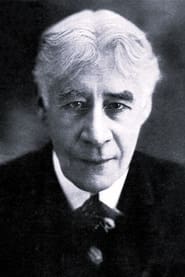
"The Last Cartridge, An Incident of the Sepoy Rebellion in India" is a silent short film from 1908, directed by and starring Charles Kent. It dramatizes a key episode during the Indian Rebellion of 1857, focusing on the heroic defense of a British garrison against overwhelming odds. The film captures the suspense and intensity of colonial military encounters, highlighting the courage and sacrifice of soldiers during this turbulent historical moment. As one of the earliest cinematic depictions of the Sepoy Rebellion, it reflects the era's perspectives and the stylistic traits of early 20th-century filmmaking, including theatrical acting and static camera work, providing a valuable glimpse into the origins of historical war dramas in cinema.
Cast

Reviews
The Last Cartridge has a modest reception among modern audiences and critics, largely due to its age and the limitations of early filmmaking techniques. On IMDb, it holds a rating of 4.7 out of 10, indicating mixed opinions predominantly from film enthusiasts interested in silent era and historical subjects. Critics acknowledge the film's importance as one of the pioneering war dramas in cinema history but often point out its crude production values by today's standards, including minimal narrative complexity and lack of sound or extensive character development. Silent film aficionados appreciate its cultural and historical significance, appreciating it as a time capsule of 1900s film innovation and early representations of colonial conflicts. However, some reviews criticize the film for its dated approach and the colonialist lens through which the Sepoy Rebellion is portrayed, noting that it lacks nuanced perspectives on the historical events and Indian participants. Rotten Tomatoes does not have a score for this film, reflecting its status as a rare, niche silent short rather than a mainstream release. Overall, the film is valued more for its historical context and early cinematic storytelling rather than its entertainment value or modern critical acclaim.