Don't Take God's Children for Wild Geese
A witty heist where nothing goes as planned but laughs abound.
Watch Don't Take God's Children for Wild Geese streaming in
No offers found.
We couldn't find any offers for Don't Take God's Children for Wild Geese streaming in Ukraine.
Synopsis
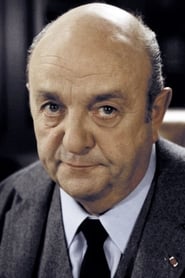
"Don't Take God's Children for Wild Geese" (original French title: "Faut pas prendre les enfants du bon Dieu pour des canards sauvages") is a 1968 French comedy film directed by Michel Audiard, featuring Bernard Blier in a leading role. The film centers on a group of men who embark on a somewhat bungled heist, blending elements of humor and crime. Throughout the narrative, the characters navigate various mishaps and misunderstandings, delivering a blend of witty dialogue and situational comedy typical of French cinema of the era. The film explores themes of camaraderie, folly, and the unpredictability of criminal ventures, with Bernard Blier's performance adding gravitas to the playful storyline. Its comedic style reflects the socially conscious humor and character-driven plots many French films embraced during the late 1960s.
Cast



Reviews
Critically, "Don't Take God's Children for Wild Geese" has received mixed reviews. On IMDb, it holds a modest rating of 6.1 out of 10, indicating average audience reception. Some reviewers praise the film for its sharp dialogue and Bernard Blier's charismatic presence, recognizing the movie’s value as a light-hearted, character-driven comedy. Critics on French cinema forums appreciate the film's period charm and humor rooted in 1960s social settings, though some note that the pacing and story can feel uneven for modern viewers. However, the movie lacks a strong narrative drive for those seeking more intense crime drama or thriller elements. Rotten Tomatoes does not have aggregated professional critic scores for this title, reflecting its relatively niche status outside France. Overall, the film is seen as a modest yet enjoyable example of late 60s French comedic cinema, praised more for its performances and dialogue than its plot complexity or innovation.